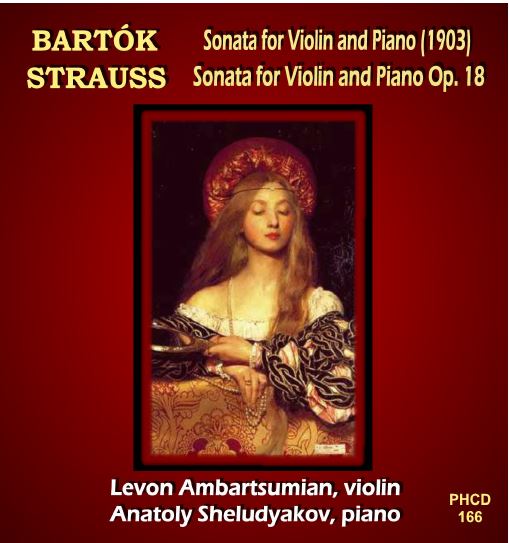
Bela Bartok, Richard Strauss
PHCD166 | Phoenix CD
| Name | Credit | |
|---|---|---|
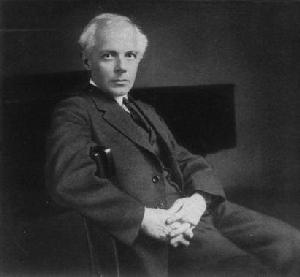 |
Bela Bartok | Composer |
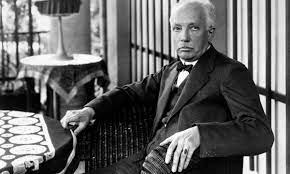 |
Richard Strauss | Composer |
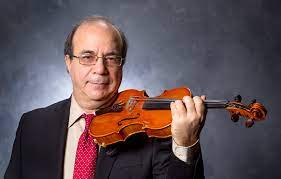 |
Levon Ambartsumian | Violin |
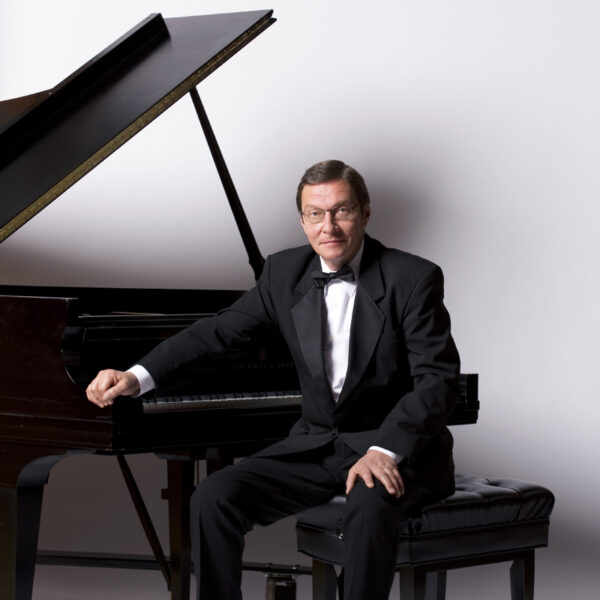 |
Anatoly Sheludyakov | Piano |
VIOLIN SONATAS
PHCD166 | Phoenix CD
| Name | Credit | |
|---|---|---|
|
Bela Bartok | Composer |
|
Richard Strauss | Composer |
|
Levon Ambartsumian | Violin |
|
Anatoly Sheludyakov | Piano |
PHCD 166 brings together two contrasting pillars of early 20th‑century chamber music. Bartók’s writing for violin and piano is marked by rhythmic vitality, folk‑influenced contours, and modernist edge, while Strauss offers a more lyrical, late‑Romantic voice shaped by long melodic lines and rich harmonic color. Heard together, these works illuminate the evolving landscape of European music in the decades surrounding the First World War.
This recording offers a balanced, stylistically informed interpretation that highlights the expressive range and technical demands of both composers.
Richard Strauss wrote only five instrumental chamber works: a sonata for violin, for cello, for piano, a string quartet, and a piano quartet. All these works belong to Strauss’ first period, and demonstrate the young composer’s respect for traditional forms, showing clear influence of Strauss’ great predecessors- Beethoven, Schumann, and Brahms.
The violin sonata op. 18 (1887) was the last piece of chamber music that Strauss wrote, and it is definitely the finest and most popular of these early works. Strauss valued the Sonata very highly, performing it himself well into the 1930s. Written just one year before the symphonic poem Don Juan, the violin sonata, while based on a traditional sonata model, unfolds new expressive characteristics of future operas and symphonic poems.
The Sonata for Violin and Piano was composed in 1903 and premiered in Budapest on January 25, 1904 by Bartok and Hungarian violinist Jeno Hubay. At the time Bartok was studying piano at the Budapest Academy with Istvan Thomas, a pupil of Liszt, and composition with Janos Koessler. Another important musical influence on young Bartok was Richard Strauss, whom he met at the Budapest performance of Strauss’ works in 1902. Since the Sonata was written before Bartok’s collaboration with Zoltan Kodaly in collection, arrangement, and study of folk music, the work bears little resemblance to Bartok’s mature style. Influences of Liszt and Strauss are clearly heard throughout the piece.